Concept & Planning
Initial discussions define the celebration’s theme, goals, and scope, creating a shared vision for all participants.
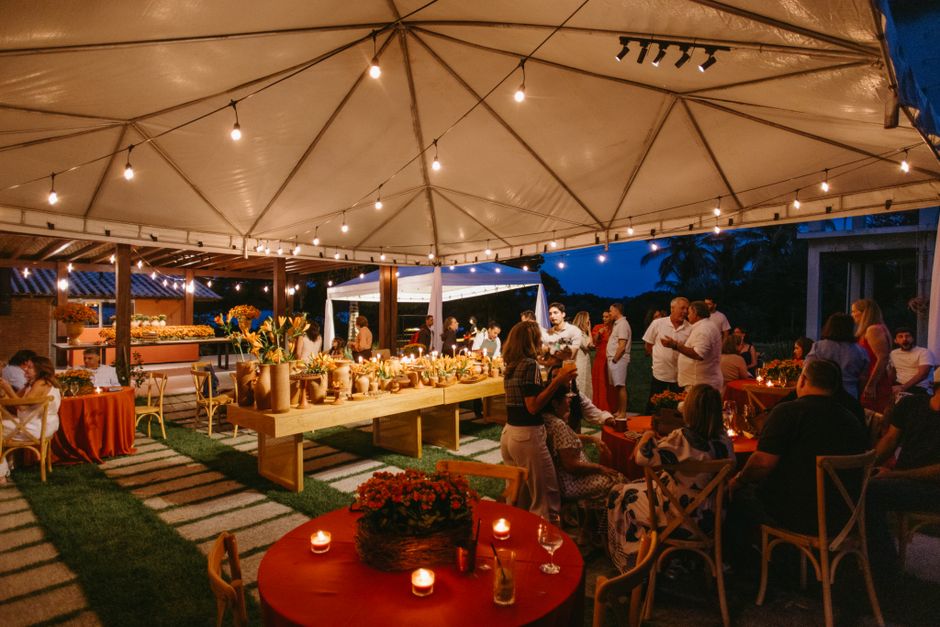
Palette & Pour approaches each creative celebration through a structured, transparent process. It begins with concept development to align on a theme and format. Venue selection follows, chosen for suitability and logistics. Activity coordination then establishes timing, materials, and facilitation. Finally, group experience design shapes how attendees interact and move through the event. This sequence offers a clear framework, though the exact flow depends on the group, budget, and available locations.
Initial discussions define the celebration’s theme, goals, and scope, creating a shared vision for all participants.
Potential locations are evaluated based on capacity, ambiance, and logistical needs to host the planned activities.
Creative activities and workshops are arranged, with materials, schedules, and facilitator roles clearly outlined.
The celebration is carried out as planned, with attention to flow and participant engagement facilitated by the organizing team.
Palette & Pour works behind the scenes to coordinate creative celebrations for groups. The process often begins with an initial conversation about the occasion, group size, and general preferences. From there, we explore venue options that suit the format and supply available equipment, seating, and layout considerations. Activity coordination follows, including scheduling facilitators, organizing materials, and outlining a loose flow of events. We also address practical details like timing, breaks, and setup arrangements. Throughout planning, we document each step with groups, describing available choices and tradeoffs rather than prescribing one route. This structure helps groups stay informed while keeping adjustments open as needs evolve.
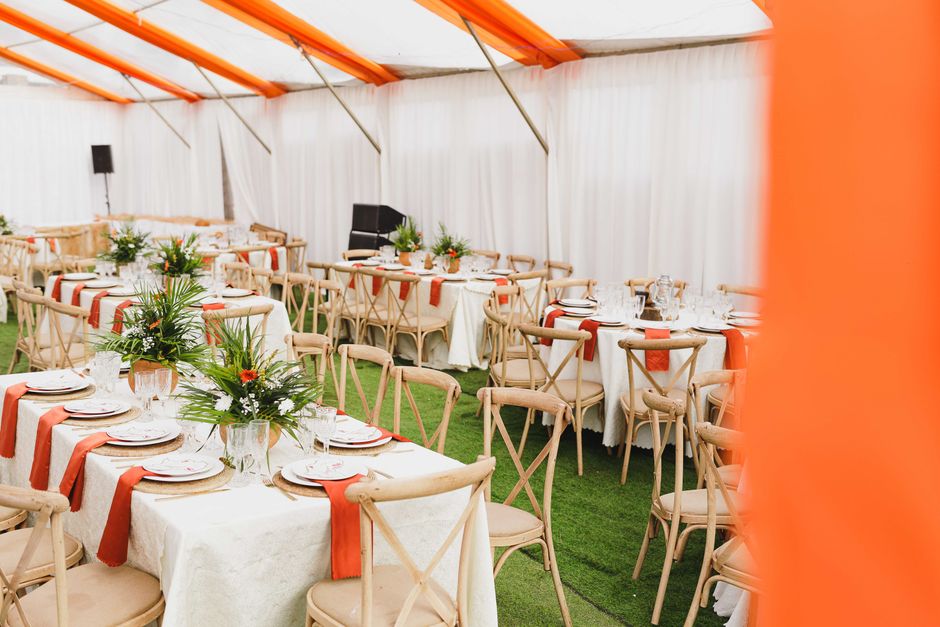
Organizing a creative celebration involves several interconnected components that require careful attention. Concept development begins with defining the event's purpose, tone, and overarching theme, which then informs all subsequent decisions. Venue considerations include factors such as capacity, location, accessibility, and available amenities to accommodate planned activities. Activity coordination entails selecting and scheduling suitable creative engagements, whether art workshops, interactive performances, or collaborative projects, while ensuring necessary materials and facilitation are in place. Group experience design focuses on structuring the event flow to encourage participation and interaction among attendees. Each component must be aligned with the overall vision to maintain coherence and address logistical aspects, from timing to resource allocation. This multi-faceted approach is typically customized to the specific group's preferences and requirements.