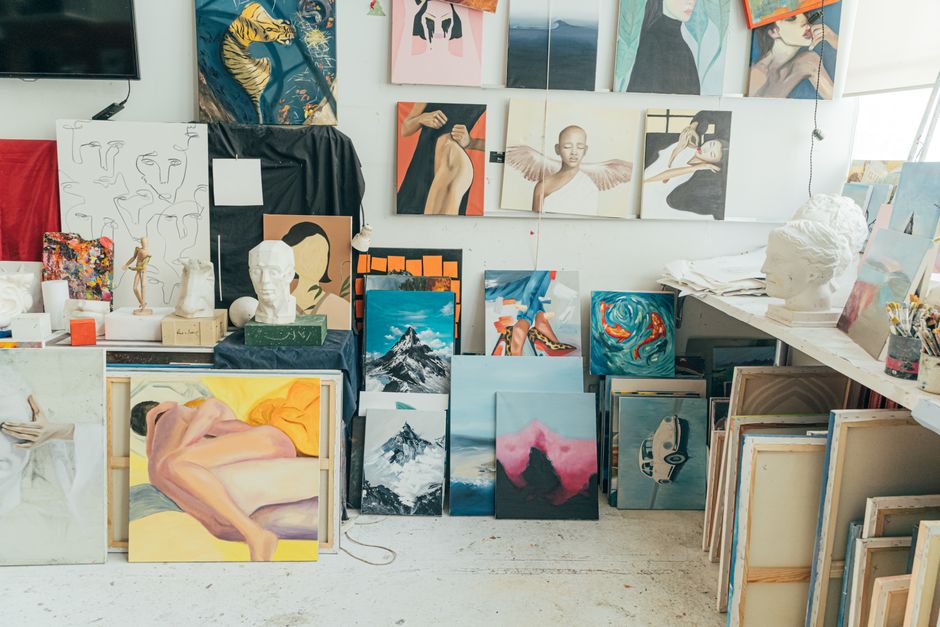
Group Entertainment Ideas for a Memorable Bachelorette
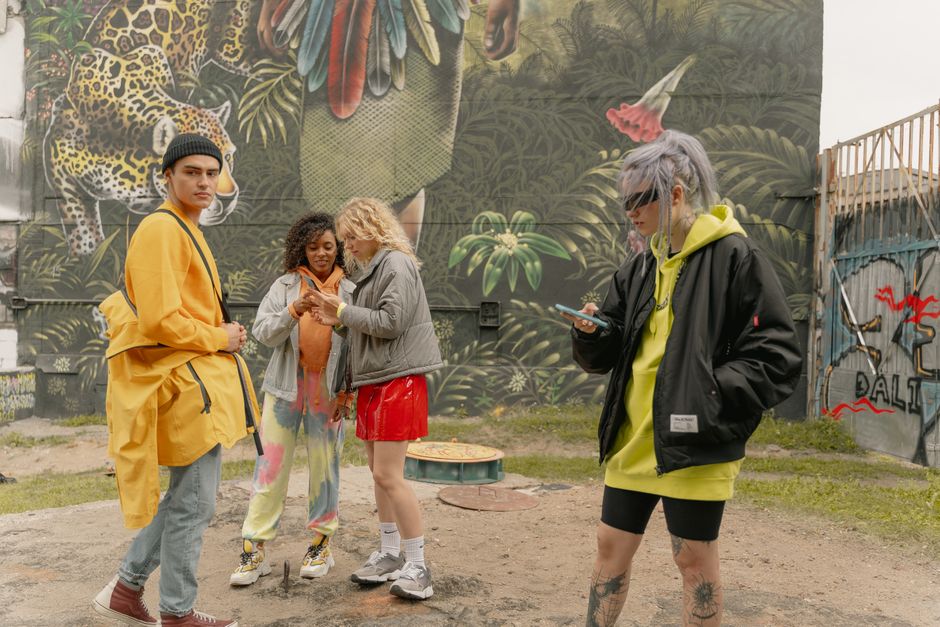
A bachelorette celebration brings together guests with different interests, energy levels, and comfort zones, which makes planning group entertainment a thoughtful exercise in balance. The most engaging formats tend to be those that give everyone a role to play, rather than asking guests to simply watch or wait their turn. Interactive art activities, collaborative projects, and structured group games offer a flexible framework that adapts to the size of the guest list and the atmosphere of the venue. This article outlines several approaches organizers can consider when building an entertainment plan around participation and shared experience.
Rather than treating entertainment as a single headline activity, many planners now think of it as a sequence of moments spread across the event. A short icebreaker, a longer collaborative project, and a relaxed closing activity can each serve a different purpose within the same celebration. The ideas below are presented as options to compare rather than a fixed formula, since the right combination depends on guest preferences, time available, and the setting itself.
Throughout, the emphasis is on formats that keep all guests engaged. That means activities with low barriers to entry, clear instructions, and room for people to participate at their own pace. When entertainment is designed this way, the celebration tends to feel cohesive, and guests are more likely to stay involved from arrival to the final toast.
Why Participation-Based Entertainment Works for Group Celebrations
Group celebrations often struggle with the gap between guests who enjoy being at the center of attention and those who prefer a supporting role. Participation-based entertainment narrows that gap by distributing involvement across the whole group. Instead of one person performing while others observe, the activity itself becomes the focal point, and guests contribute according to their comfort level. This structure tends to reduce social pressure while still generating shared momentum.
Another advantage is that participation formats scale more easily than performance-based ones. A game designed for four people may need significant adaptation for a group of fifteen, whereas a collaborative project can often absorb additional participants without losing its rhythm. Organizers can also adjust the length of an activity depending on how the event is flowing, which is useful when schedules shift.
Accessibility matters as well. Activities that rely on conversation, observation, or simple hands-on tasks invite guests who may not know each other well to interact around a shared object or goal. This can ease early-event awkwardness and give the group a natural topic of conversation. For planners, the practical takeaway is to favor formats with clear rules, minimal equipment, and multiple points of entry.
The goal is not to fill every minute, but to create a rhythm in which guests move between structured activity and relaxed conversation.
Interactive Art Games That Get Everyone Involved
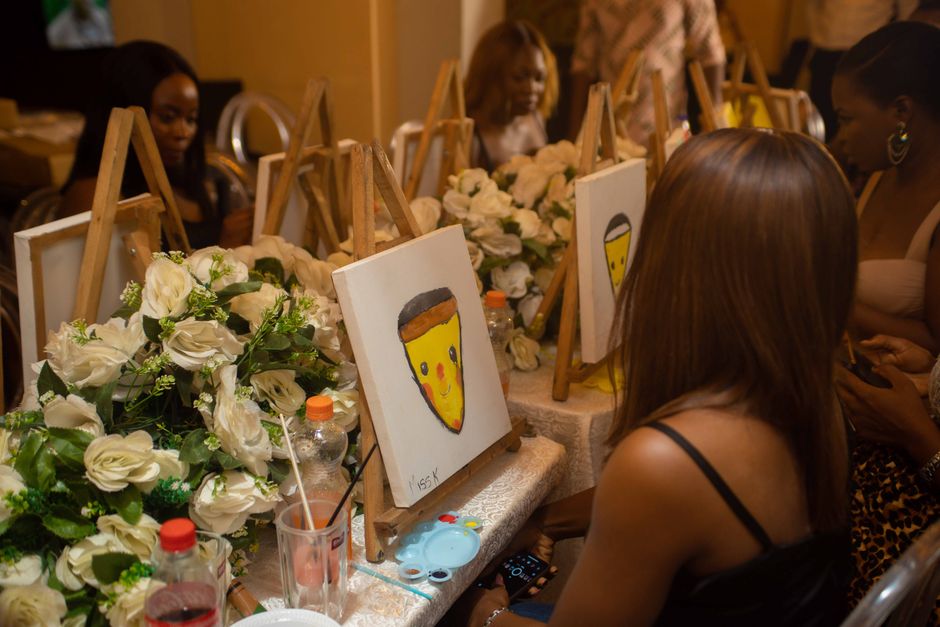
Interactive art games combine simple creative tasks with light structure, which makes them well suited to mixed groups. The best versions avoid complex rules and instead rely on prompts, rounds, or rotating roles. A common example is a prompt-based drawing challenge, where guests receive a short theme and a limited amount of time to respond. Because the output is intentionally informal, guests tend to focus on the shared experience rather than on producing polished work.
Another option is a collaborative guessing game built around sketches or color choices. One guest describes a scene or object while others interpret it visually, and the group then compares results. The activity generates conversation naturally and gives quieter guests a structured way to contribute. Organizers can prepare prompt cards in advance, which keeps the game moving and reduces the need for live facilitation.
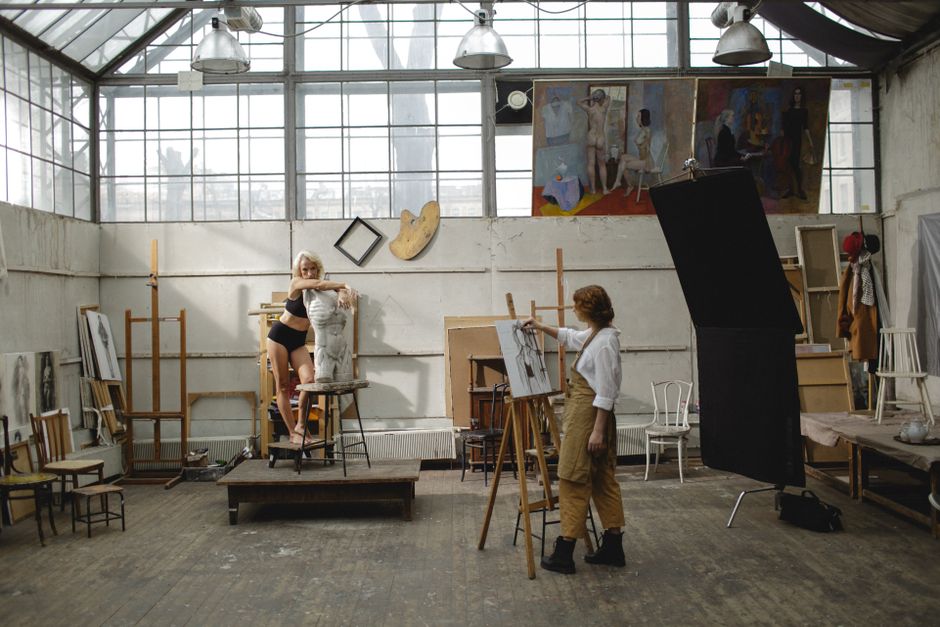
A third approach involves rotating stations. Guests move between two or three short creative tasks, spending a set amount of time at each. Stations might include a quick portrait exercise, a color-mixing challenge, or a finish-the-drawing prompt. Rotation formats keep energy levels steady and ensure that no single activity dominates the schedule. They also make it easier to accommodate guests who arrive late or need to step away for a moment.
- Prompt-based drawing rounds with a fixed time limit
- Describe-and-sketch guessing games
- Rotating creative stations with short tasks
- Color or shape matching challenges
For groups meeting at a venue such as Palette & Pour, where creative activity is already part of the setting, these games can be integrated into the flow without requiring extensive extra setup. The key is to prepare materials in advance and to keep instructions brief so that guests can begin participating quickly.
Collaborative Mural Projects as a Shared Centerpiece
A collaborative mural project gives the group a single shared objective that unfolds over the course of the event. Rather than completing individual pieces, guests contribute to one larger surface, which can be divided into sections, panels, or a continuous design. This format works well because participation can be as small as adding a few strokes or as involved as developing a full section, depending on each guest’s preference.
Preparation is central to a successful mural activity. Organizers typically outline the composition in advance, decide on a color palette, and assign or invite contributions to specific areas. A light structure of this kind prevents the project from stalling while still leaving room for spontaneity. Materials such as canvas, paper panels, or large sheets can be chosen based on the venue and the amount of space available.
The mural also functions as a conversation anchor. Guests who may not know each other well can discuss color choices, placement, and the overall direction of the piece. Over time, the shared surface becomes a record of the group’s time together, and the activity ends with something tangible that can be revisited later. For organizers, it is worth considering how the finished piece will be transported and whether it will be divided among guests or kept whole.
Timing matters here as well. A mural can run in the background throughout the event, allowing guests to contribute when they feel ready rather than during a single fixed block. This flexible structure keeps the project active without forcing everyone into the same moment, and it accommodates the natural ebb and flow of a celebration.
Balancing Structured Activities With Downtime
Even well-designed entertainment benefits from pacing. A schedule that moves directly from one structured activity to the next can feel relentless, particularly for guests who are meeting for the first time or who have traveled to attend. Planners often find that alternating active segments with open time produces a more comfortable rhythm. During those open intervals, guests can revisit the mural, continue a game at their own pace, or simply talk.
Downtime also supports the participation-based approach described earlier. Guests who are initially hesitant often join in after watching a round or two, and they are more likely to do so if the atmosphere is relaxed rather than tightly programmed. Organizers can signal that activities are optional by keeping materials accessible and instructions posted or briefly explained, rather than requiring everyone to gather at a specific moment.
It can also help to designate a closing activity that brings the group back together. A short final round, a group photo in front of the mural, or a brief reflection on the shared project can provide a natural ending point. These closing moments do not need to be elaborate; their purpose is to mark the transition from the event’s activity phase to its wind-down.
Practical Considerations for Organizers
Logistics play a significant role in whether group entertainment feels smooth or chaotic. Materials should be organized in advance, ideally grouped by activity, and instructions should be simple enough to explain in a minute or two. Organizers may also want to assign a facilitator or two among the guests, which distributes responsibility and keeps activities moving without requiring constant intervention from the host.
Venue constraints deserve early attention. Available table space, lighting, and the number of participants all influence which formats are practical. Activities that involve wet materials, large surfaces, or extended setup may need more room than a compact venue allows. Confirming these details ahead of time reduces the likelihood of last-minute adjustments that can interrupt the flow of the celebration.
Finally, it is useful to build in flexibility for varying group sizes and energy levels. Some guests may arrive ready for a structured game, while others may prefer to contribute quietly to a shared project. Offering more than one way to participate allows the group to find its own balance, and it keeps the entertainment from feeling like a mandatory performance. With modest preparation and a focus on participation, group entertainment can support a celebration that feels both organized and relaxed.