How to Plan a Bachelorette Party with Art Activities
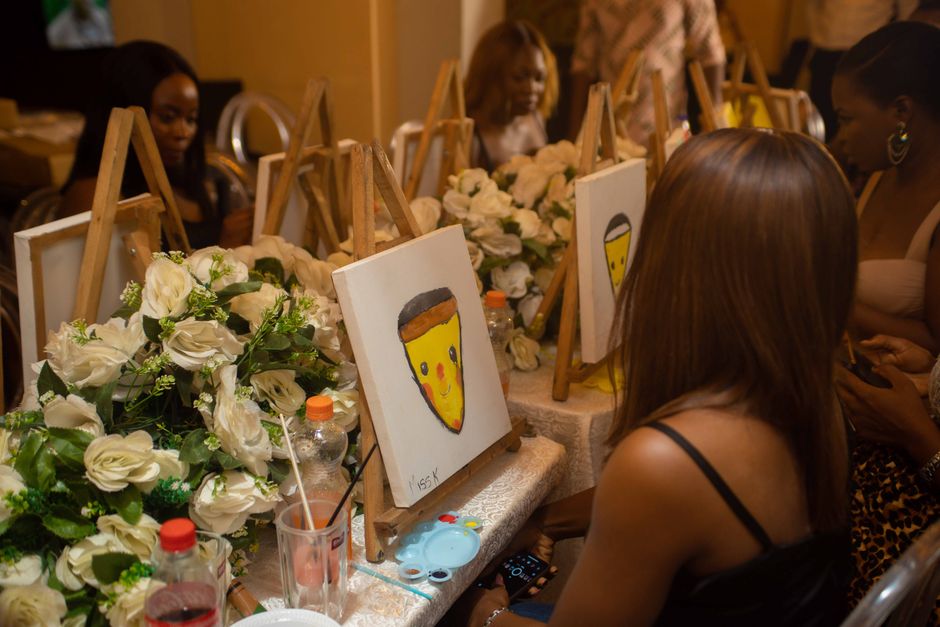
Planning a bachelorette party that centers on art activities offers a structured and engaging way to celebrate while accommodating diverse interests. A creative format can reduce reliance on conventional nightlife and provide a shared experience that encourages conversation and collaboration. This guide outlines a step-by-step process covering budget development, guest list management, art workshop coordination, and timeline creation for a celebration in the United States.
The approach described here emphasizes transparency, methodical planning, and flexibility. Each phase builds on the previous one, and the overall process can be adapted to different group sizes, locations, and artistic preferences. The information is presented for general planning purposes and does not constitute professional event advice.
By following a sequential framework, organizers can make informed decisions and maintain alignment with participants’ expectations. The sections below address key considerations for a bachelorette celebration that incorporates art activities, from initial concept through final execution.
Defining the Event Concept and Scope
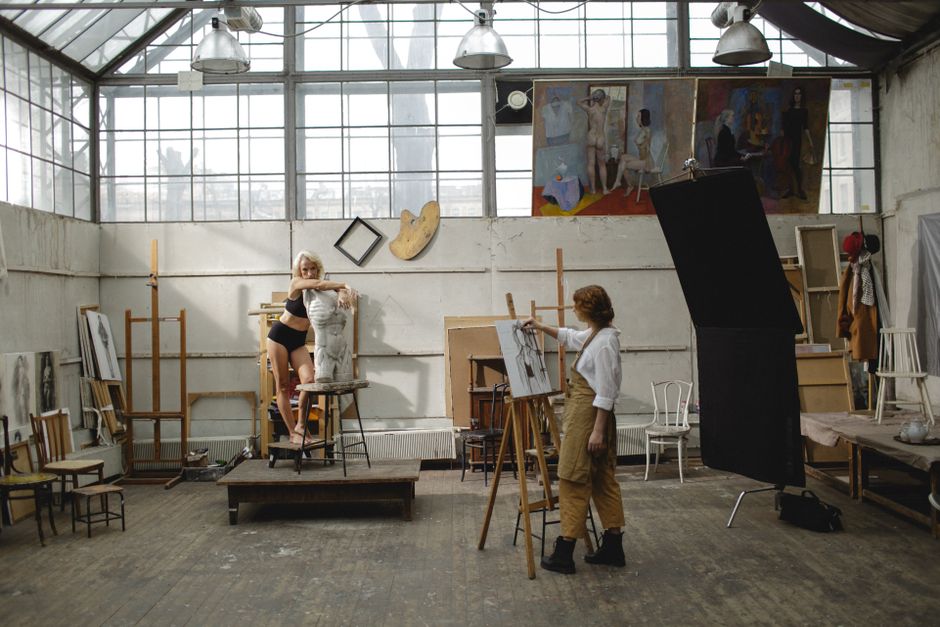
The first step involves clarifying the purpose and parameters of the celebration. A bachelorette party with art activities can take many forms, such as a private studio session, a guided painting workshop, a pottery class, or a mixed-media craft gathering. The choice depends on the bride’s preferences, the group’s skill levels, and the available venues in the area. Organizers may begin by gathering input from the bride and key participants to establish a shared vision.
Scope definition includes determining the event duration, the level of instruction required, and whether the activity will be hosted at a private residence, a rented space, or a commercial studio. For example, a two-hour guided session at a venue like Palette & Pour may suit groups seeking structured instruction, while a longer DIY format at home may appeal to those preferring a relaxed pace. The scope should also account for any accessibility needs, dietary restrictions, and transportation considerations.
A written concept statement can help align expectations and serve as a reference point for later decisions. This statement might include the desired atmosphere, the types of art materials to be used, and the intended group size. Keeping the concept flexible allows for adjustments as planning progresses and new information becomes available.
Developing a Budget Framework
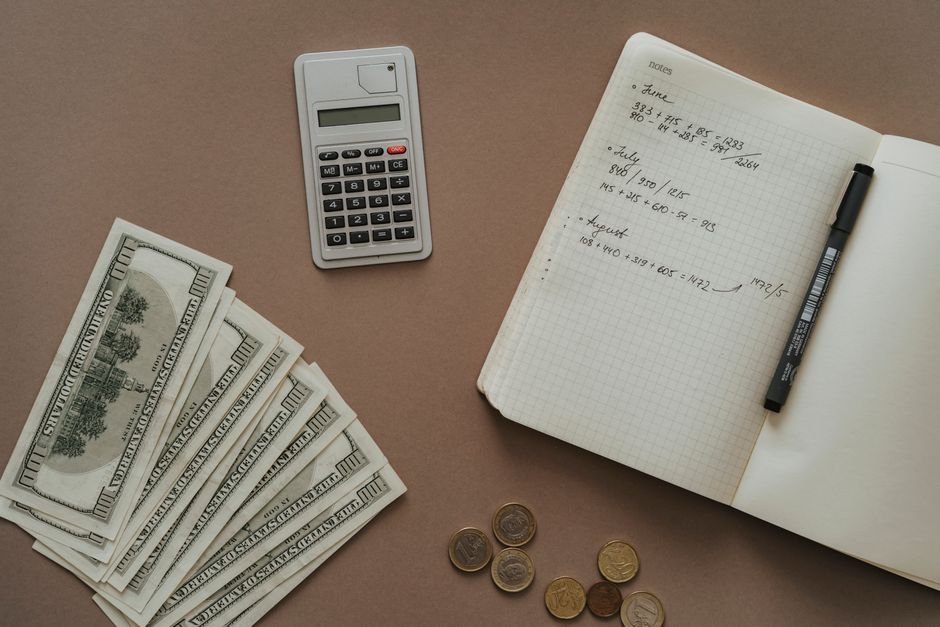
A budget framework provides a structured approach to managing costs and avoiding unforeseen expenses. Organizers can categorize anticipated costs into venue fees, instructor or facilitator charges, art supplies, food and beverages, decorations, and any transportation or accommodation needs. Each category should be estimated based on preliminary research and quotes from potential vendors.
Creating a budget involves distinguishing between fixed costs, such as a studio rental fee, and variable costs, such as materials that depend on the number of participants. A contingency fund of 10–15 percent of the total budget is often recommended to cover unexpected items, though this percentage can be adjusted according to the event’s complexity. It is also useful to establish a per-person cost estimate early so that guests can plan accordingly.
Transparency about costs helps maintain trust among participants. Organizers may choose to collect contributions in advance or allocate specific expenses to different individuals, but the method should be communicated clearly. The budget should be reviewed periodically and updated as new information becomes available, ensuring that the event remains within the agreed financial boundaries.
Managing the Guest List and Communications
The guest list for a creative bachelorette party should be developed in consultation with the bride, respecting her preferences regarding who is included. Once the list is established, organizers can gather contact information and begin a communication plan that outlines key dates, payment deadlines, and event details. A shared digital document or group message can serve as a central hub for updates.
Communication should be clear and consistent, avoiding urgency or pressure. Organizers can send an initial save-the-date notice, followed by a detailed invitation that includes the location, time, dress code (if any), and an overview of the art activity. It is helpful to ask guests about any allergies, mobility considerations, or skill-level concerns so that the workshop can be adapted accordingly.
When collecting payments or contributions, organizers should provide multiple options and a reasonable timeline. A simple spreadsheet can track RSVPs and payments, reducing the risk of misunderstandings. The tone of communications should remain neutral and informative, focusing on logistical details rather than promotional language.
Booking an Art Workshop or Facilitator
Booking an art workshop requires research and coordination to ensure a suitable match for the group’s needs. Organizers can start by identifying local studios, independent instructors, or mobile art providers that offer private events. Venues such as Palette & Pour may offer guided painting sessions with materials included, which can simplify planning. When contacting potential providers, it is useful to ask about group size limits, available dates, cancellation policies, and whether customization is possible.
A site visit or virtual tour can help assess the space, lighting, and accessibility. For workshops held at a private residence, organizers should confirm that the instructor can bring necessary supplies and that the space can accommodate the activity. It is also advisable to clarify what is included in the quoted price, such as aprons, canvases, paints, and cleanup services.
Before finalizing a booking, organizers should obtain a written agreement or confirmation that outlines the services, costs, and any terms. This document serves as a reference in case of questions or changes. It is also prudent to inquire about the instructor’s experience with group events and their approach to facilitating a relaxed, inclusive environment.
Creating a Timeline and Contingency Plan
A timeline helps coordinate all planning activities and ensures that key milestones are met without last-minute stress. A typical timeline for a bachelorette party with art activities might begin eight to twelve weeks before the event, with initial concept and budget discussions, followed by guest list finalization and venue research. Booking the workshop and sending invitations often occurs six to eight weeks ahead, while final confirmations and payment collections take place two to four weeks before the event.
The timeline should include buffer periods for unexpected delays and allow for adjustments. Organizers can create a simple checklist or calendar with tasks assigned to specific individuals, which helps distribute responsibilities and maintain accountability. It is also useful to schedule a final review one week before the event to confirm details with the venue, instructor, and guests.
A contingency plan addresses potential disruptions, such as inclement weather, instructor unavailability, or supply shortages. Organizers may identify backup indoor locations, alternative dates, or substitute activities. While not all risks can be eliminated, a documented contingency plan provides a structured response and reduces uncertainty. The overall approach emphasizes preparation and adaptability, allowing the celebration to proceed smoothly within the defined parameters.