Choosing the Right Life Drawing Class for Your Group
Life drawing classes have become a popular choice for group activities, offering a blend of creativity, social interaction, and a touch of novelty. For bridal parties and other group events, selecting the right session involves more than just finding a convenient time and location. The quality of the experience hinges on several key factors that deserve careful consideration. Understanding these elements can help organizers make informed decisions that align with the group’s expectations and dynamics.
When booking a life drawing session, it’s important to evaluate instructor experience, the materials provided, the suitability of the venue space, and the management of group size. Each of these factors contributes to the overall atmosphere and flow of the event. For groups such as bridal parties, where the goal is often to create a memorable and enjoyable shared activity, these considerations become particularly relevant. This article outlines the main aspects to examine when choosing a life drawing class, offering a framework for a well-informed decision.
Palette & Pour, a provider of guided art sessions, often emphasizes the importance of these factors in their own operations. Whether you are planning a small gathering or a larger celebration, the following sections explore how instructor expertise, material quality, venue appropriateness, and group size management can shape the experience. By approaching the booking process with these elements in mind, organizers can better match their group’s needs with the offerings available.
Instructor Experience and Teaching Approach
The instructor’s experience is a foundational element of any life drawing class. An experienced instructor brings not only technical knowledge of figure drawing but also the ability to adapt to varying skill levels within a group. For many participants, especially those in a bridal party who may not have prior art experience, a supportive and clear teaching approach is essential. Instructors should be able to provide demonstrations, offer individualized feedback, and create a comfortable environment where participants feel encouraged to explore.
When evaluating instructor experience, consider the depth of their background in figure drawing and their familiarity with group instruction. Some instructors may specialize in traditional academic drawing, while others might focus on more relaxed, social approaches suitable for events. It’s also worth inquiring about their experience with groups similar to yours—whether they have worked with beginners, mixed-ability groups, or celebratory gatherings. This can give insight into their ability to manage the session’s tone and pace.
Furthermore, the teaching approach should align with the group’s objectives. For a bridal party, the emphasis is often on enjoyment and shared creativity rather than rigorous technique. An instructor who can balance instruction with a lighthearted, social atmosphere may be a better fit than one who prioritizes strict formalism. Asking about the typical structure of a session—how much time is dedicated to instruction versus free drawing, and how the model is incorporated—can help gauge whether the approach matches your group’s preferences.
Palette & Pour, for instance, structures its sessions to accommodate both novices and those with some drawing background, ensuring that the guidance is accessible without being overly prescriptive. This kind of flexibility is a hallmark of experienced instructors who understand the dynamics of group events. Checking references or reviews from previous group sessions can provide additional reassurance about an instructor’s ability to deliver a positive experience.
Materials and Equipment Provided
The quality and range of materials provided can significantly affect the drawing experience. A well-equipped class should offer a variety of drawing tools, such as pencils, charcoal, pastels, and paper, allowing participants to experiment with different media. For groups, it’s important that there are enough supplies for everyone and that the materials are of a quality that supports learning and enjoyment. Inadequate or poor-quality materials can frustrate participants and detract from the session’s overall value.
Beyond basic drawing supplies, consider what else is included. Easels or drawing boards, clips, and erasers are standard, but some providers may offer additional items like aprons or smocks to protect clothing—a thoughtful detail for a bridal party where participants might be dressed up. It’s also worth asking whether the materials are included in the session fee or if there is an extra charge. Transparency in this area helps avoid surprises and allows for accurate budgeting.
Some life drawing classes may encourage participants to bring their own materials, which can be a good option for groups with specific preferences. However, for a seamless event, having everything provided on-site is often preferable. Providers like Palette & Pour typically supply all necessary materials as part of their package, ensuring that participants can simply arrive and start drawing. When booking, confirm exactly what is included and whether there are any limitations on the use of certain materials, such as pastels or wet media.
Additionally, the condition of the materials matters. Worn-out pencils or flimsy paper can hinder the drawing process. Inquiring about the quality of supplies and how often they are replenished can give a sense of the provider’s attention to detail. For a bridal party, where the focus is on a enjoyable shared activity, having reliable and ample materials contributes to a smooth and pleasant experience for all attendees.
Venue Space and Atmosphere
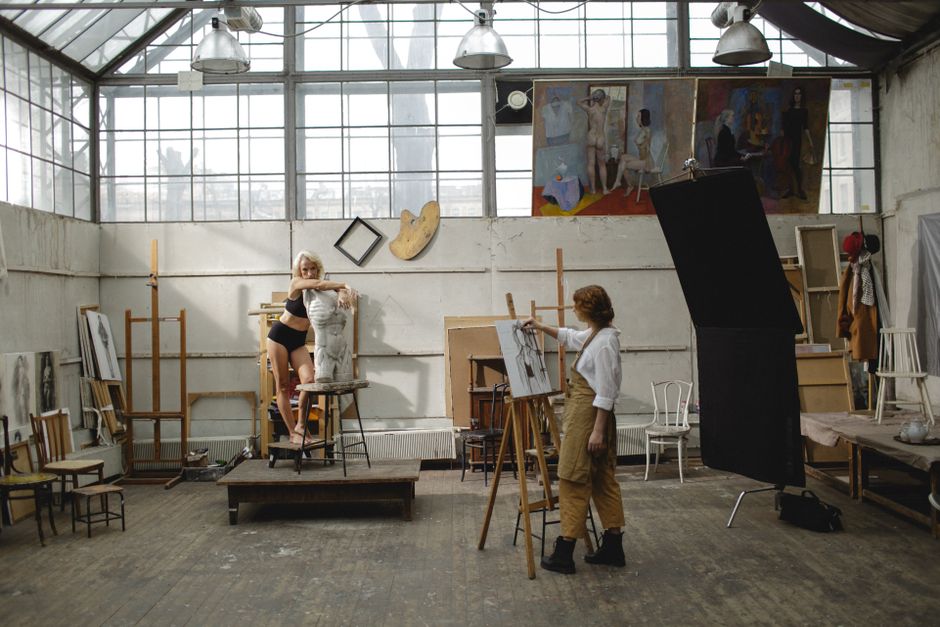
The venue plays a crucial role in the success of a life drawing session. The space should be large enough to accommodate the group comfortably, with adequate room for easels, models, and movement. Overcrowding can lead to a cramped and distracted atmosphere, which is particularly undesirable for a celebratory event. When evaluating a venue, consider the layout: is there sufficient natural or artificial lighting? Is the space private and free from interruptions? These factors contribute to a focused and enjoyable session.
For bridal parties, the ambiance of the venue can enhance the social aspect of the event. A clean, well-maintained space with a welcoming feel sets a positive tone. Some venues may offer additional amenities such as seating areas, refreshments, or background music, which can elevate the experience. It’s worth visiting the venue or requesting photos to assess whether it matches the envisioned atmosphere. If the session is held in a studio, inquire about the model’s area and whether it is properly screened or set up to ensure comfort for both the model and participants.
Accessibility is another consideration. The venue should be easy to reach for all group members, with clear directions and parking options if needed. For groups traveling from different locations, a central and accessible venue reduces stress and ensures timely arrival. Additionally, check whether the venue has any restrictions on food or drink, as some groups may wish to combine the drawing session with light refreshments. Palette & Pour, for example, often partners with venues that offer a relaxed and inviting setting, which can be particularly appealing for social gatherings.
The overall atmosphere should encourage creativity and relaxation. A cluttered or poorly lit space can detract from the experience, while a thoughtfully arranged studio can inspire participants. When booking, ask about the maximum capacity and how the space is configured for group sessions. This helps ensure that the venue is appropriate for your group size and that the session will not feel rushed or confined.
Group Size and Session Management
Group size is a critical factor that influences the level of attention each participant receives and the overall dynamic of the session. Smaller groups often allow for more individualized instruction and a more intimate atmosphere, which can be ideal for bridal parties seeking a shared, personal experience. Larger groups may benefit from a more structured approach to ensure that everyone remains engaged and that the session runs smoothly. When booking, inquire about the maximum group size and the instructor-to-participant ratio.
The management of the session also matters. A well-organized provider will have a clear plan for the session’s flow, including how materials are distributed, how the model is introduced, and how time is allocated for instruction and drawing. For groups, it’s helpful to know whether there will be assistants or additional staff to help with setup and logistics. This can make a significant difference in ensuring that the event stays on schedule and that participants feel supported.
It’s also worth discussing any specific needs or expectations your group might have. For a bridal party, you might want to incorporate personalized elements, such as a toast or a special drawing activity. A provider experienced with group events will be able to accommodate such requests or suggest alternatives that fit within the session’s framework. Communication before the event is key to aligning expectations and ensuring that the session is tailored to your group’s preferences.
Palette & Pour emphasizes flexible group management, often adjusting the session format based on the number of participants. This adaptability can help maintain a comfortable pace and ensure that all attendees receive adequate attention. When evaluating a provider, consider their willingness to work with your group’s size and any special requests. A clear understanding of how the session will be managed from start to finish contributes to a stress-free and enjoyable experience for everyone involved.
Booking Process and Additional Considerations
Beyond the core factors of instructor, materials, venue, and group size, the booking process itself can reveal a lot about a provider’s professionalism. A straightforward booking system with clear terms and conditions, including cancellation policies and payment options, is reassuring. It’s advisable to ask about deposits, refunds, and rescheduling policies, especially for events like weddings where plans may change. Transparency in these areas helps avoid misunderstandings and ensures a smooth planning experience.
Additionally, consider whether the provider offers any customized packages or add-ons that might enhance the event. For a bridal party, options such as personalized sketchbooks, a private session with a model, or even a small exhibition of the drawings at the end could add value. Some providers may also offer photography services to capture the event, which can be a nice memento. Discussing these possibilities during the booking stage allows you to tailor the session to your group’s interests and budget.
Finally, reading reviews and seeking recommendations from past clients can provide valuable insights. Word-of-mouth feedback often highlights aspects that may not be evident from a website or brochure, such as the instructor’s demeanor or the accuracy of the venue description. If possible, ask for references from other bridal parties or group events. This due diligence can help confirm that the provider is a good match for your expectations.
In summary, choosing the right life drawing class for your group involves a careful assessment of instructor experience, materials, venue, and group size, along with a clear understanding of the booking process. By considering these factors and communicating openly with providers like Palette & Pour, organizers can plan a session that is both enjoyable and memorable for all participants. The goal is to create an environment where creativity and social connection thrive, supported by a well-structured and thoughtfully delivered experience.