Creative Themed Party Ideas for Bridal Celebrations
Bridal celebrations have evolved beyond traditional formats, with many hosts now seeking interactive experiences that encourage guest participation and generate lasting memories. Themed party concepts offer a structured yet flexible framework for organizing such events, allowing hosts to tailor activities to the interests of the couple and their guests. Among the most engaging options are paint and sip gatherings, masquerade art nights, and vintage craft parties, each providing a distinct atmosphere and a range of participatory elements.
This article examines these three themed approaches in detail, outlining their core components, logistical considerations, and the ways in which they can be adapted to different group sizes and settings. The focus is on methodology and planning rather than prescriptive outcomes, recognizing that the success of any themed event depends on multiple contextual factors, including guest preferences, venue constraints, and the host’s organizational capacity. By understanding the underlying structure of each theme, hosts can make informed decisions that align with their vision for the celebration.
Whether the goal is to foster conversation, encourage creativity, or simply provide a visually cohesive backdrop for photographs, themed parties require thoughtful preparation. The following sections explore how paint and sip events, masquerade art nights, and vintage craft parties can be designed and executed, with attention to practical details and guest engagement. Each theme is presented as a adaptable template rather than a fixed formula, allowing for personalization while maintaining a clear conceptual focus.
Paint and Sip Events: Structured Creativity with Social Interaction
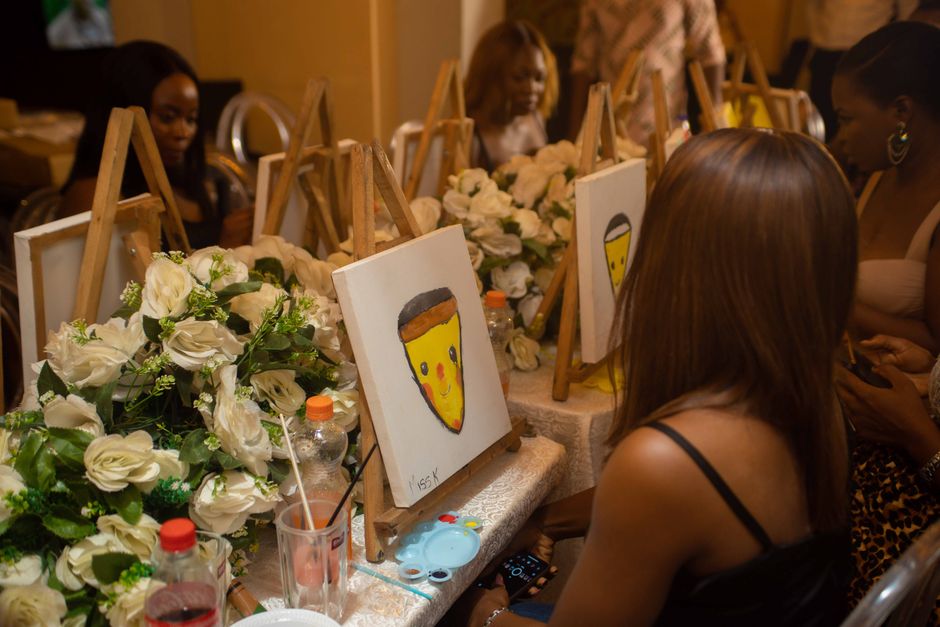
Paint and sip events combine guided artistic instruction with a relaxed social atmosphere, making them a popular choice for bridal celebrations. The format typically involves a facilitator who leads participants through a step-by-step painting project, while guests enjoy beverages and conversation. The structured nature of the activity provides a shared focus, which can help break the ice among guests who may not know each other well. The level of artistic experience required is generally minimal, as the emphasis is on participation and enjoyment rather than technical proficiency.
From a planning perspective, paint and sip events require attention to several logistical elements. Venue selection should account for adequate seating, table space for supplies, and access to water for cleaning brushes. If the event is held at a private residence, protective coverings for floors and furniture are advisable. Many hosts choose to work with a mobile art instruction service, which can supply materials, easels, and guidance. When selecting a provider, it is useful to confirm the scope of services, including whether they handle setup and cleanup, and to discuss the desired painting subject in advance so that it aligns with the bridal theme.
Guest engagement during a paint and sip event can be enhanced through thoughtful details. Providing aprons or smocks, offering a selection of non-alcoholic and alcoholic beverages, and incorporating light refreshments can contribute to a comfortable atmosphere. Some hosts introduce a friendly competition or a collaborative element, such as creating a group canvas where each guest contributes a section. Photographs of guests in progress and with their finished pieces are natural byproducts of the activity, and hosts may designate a photo area with themed props to capture these moments. The unstructured social time before and after the guided painting also allows for organic interaction.
It is important to consider that the success of a paint and sip event is influenced by factors such as guest turnout, the facilitator’s teaching style, and the group’s overall energy. Hosts may wish to communicate the nature of the activity in advance so that guests arrive with appropriate expectations. Additionally, providing clear instructions regarding attire or offering protective wear can help mitigate concerns about spills. While the activity is designed to be accessible, individual experiences may vary, and the host’s role is to facilitate a comfortable environment rather than to guarantee a specific artistic result.
Masquerade Art Nights: Mystery and Creative Expression
A masquerade art night introduces an element of theatricality and mystery to the bridal celebration. Guests are invited to wear masks, which can range from simple purchased designs to elaborate handmade creations. The art component may involve decorating masks with paints, feathers, glitter, and other embellishments, or it may center on creating a collaborative mural or individual artworks inspired by the masquerade theme. The combination of costume and craft encourages guests to step outside their usual roles and engage with the event in a playful manner.
Planning a masquerade art night involves curating both the aesthetic and the activities. The venue can be decorated with mood lighting, drapery, and themed table settings to reinforce the atmosphere. Supplies for mask decorating should be organized in stations, with a variety of materials available for guests to use. It can be helpful to provide examples or templates for those who feel uncertain about starting, while still allowing freedom for personal expression. A designated drying area is useful for completed masks, and guests may be invited to wear their creations for a photo session later in the event.
Engagement strategies for this theme often include elements of performance and surprise. Some hosts arrange for a brief mask-making demonstration or invite a local artist to offer guidance. Others incorporate a reveal moment, where guests don their masks and participate in a group photo or a short parade. Background music that complements the masquerade theme can enhance the ambiance without dominating conversation. As with any themed event, the host’s attention to guest comfort—such as providing seating, refreshments, and clear instructions—contributes to a positive experience.
The masquerade art night format is adaptable to different group sizes and budgets. Smaller gatherings may focus on intricate mask designs, while larger groups might benefit from a simpler craft or a combination of activities. It is worth noting that the success of this theme relies on guests’ willingness to participate in the dress-up element; hosts can encourage involvement by making masks optional or by providing a selection of simple masks at the entrance. The overall experience is shaped by the collective mood and the host’s ability to create an inviting, non-judgmental space for creative exploration.
Vintage Craft Parties: Nostalgia and Hands-On Creativity
Vintage craft parties draw on the aesthetics and techniques of past eras, offering a nostalgic and tactile experience for guests. Common activities include creating paper flowers, decoupage, embroidery, or jewelry making using vintage-inspired materials. The theme lends itself to a cohesive visual style, with decorations, tableware, and even attire reflecting a particular historical period. This attention to detail can create a immersive environment that encourages guests to slow down and engage with the crafting process.
Organizing a vintage craft party requires sourcing materials that align with the chosen era. Thrift stores, estate sales, and online marketplaces can be valuable resources for fabrics, buttons, lace, and paper goods. Hosts may also consider hiring a craft instructor who specializes in vintage techniques to lead a workshop. The venue should be arranged to facilitate both individual and group work, with ample table space and good lighting. Providing examples of finished projects can inspire guests, while step-by-step instructions or demonstrations help ensure that participants feel capable of completing the activity.
Guest engagement in a vintage craft party often stems from the shared experience of learning a new skill in a relaxed setting. Conversation flows naturally as guests work on their projects, and the tangible nature of the crafts provides a sense of accomplishment. A photo area styled with vintage props and backdrops can capture the themed atmosphere, and guests may be encouraged to wear vintage-inspired clothing. Refreshments that fit the theme—such as classic teacakes or retro cocktails—can further enhance the experience without requiring elaborate preparation.
As with other themed events, the vintage craft party’s success depends on factors such as the group’s interest in crafting, the quality of materials, and the host’s organizational efforts. Hosts should consider the skill level of guests and choose projects that are accessible yet engaging. Offering a choice of activities can accommodate different preferences and keep guests involved. It is also prudent to build in flexibility, as the time required for crafts may vary. The host’s role is to provide the framework and resources, while the guests’ creativity and interaction shape the actual experience.
Adapting Themes to Different Settings and Guest Groups
Each of these themed concepts can be adapted to a variety of settings, from intimate home gatherings to larger venue-based events. When selecting a theme, hosts may consider the guest list, the available space, and the overall tone they wish to set. For instance, a paint and sip event works well in a spacious living room or a rented studio, while a masquerade art night might suit a dimly lit lounge or a community hall. Vintage craft parties can be hosted in a garden, a vintage shop, or a dedicated craft room. The key is to match the activity’s requirements with the venue’s amenities.
Budget considerations also play a role in theme selection and execution. Paint and sip events may involve costs for an instructor, materials, and beverages, whereas vintage craft parties might rely more on sourcing affordable materials and DIY decorations. Masquerade art nights can range from low-cost mask decorating to more elaborate productions. Hosts can adjust the scale of activities and the level of professional support to align with their budget, while still preserving the core elements of the theme.
Guest demographics and preferences are another important factor. A group that enjoys hands-on activities may thrive with any of these themes, while a group with mixed interests might benefit from a combination of elements. Communicating the theme and planned activities in advance allows guests to prepare and sets expectations. Hosts may also consider accessibility needs, such as seating arrangements and material handling, to ensure that all guests can participate comfortably. Ultimately, the goal is to create an inclusive and enjoyable environment that celebrates the couple while engaging guests in a shared creative experience.
Photography and Memory-Making in Themed Celebrations
Themed parties naturally lend themselves to photography, as the activities and decor provide visual interest and context. For paint and sip events, images of guests painting, laughing, and displaying their finished works capture the process and the camaraderie. Masquerade art nights offer striking photo opportunities with guests in masks, especially when a dedicated photo area with themed lighting is provided. Vintage craft parties can be documented with shots of guests working on crafts, surrounded by period-appropriate details. These photographs serve as tangible reminders of the celebration and can be shared with guests afterward.
To facilitate photography, hosts may designate a point person or hire a photographer for a portion of the event. Providing a selfie station with props and a backdrop encourages guests to take their own photos. It is considerate to inform guests in advance if photography will be a significant component, allowing them to dress and prepare accordingly. Some hosts incorporate a photo challenge or a shared hashtag to collect images from multiple sources. The emphasis should be on capturing authentic moments rather than staging overly formal shots, as the candid interactions often best reflect the spirit of the event.
Beyond photography, the crafts themselves can serve as mementos. Guests may take home their painted canvases, decorated masks, or vintage-style creations, providing a lasting reminder of the celebration. Hosts might also assemble a small memory book or digital album combining photos and notes from the event. These tangible and digital artifacts contribute to the celebratory experience and can be shared with those who could not attend. The process of creating and documenting is intertwined, with each element enhancing the overall impact of the themed party.