Unique Venue Options for Group Art Workshops

Selecting a venue for a group art workshop involves more than finding a room with tables and chairs. The setting itself can influence the tone of the activity, the comfort of participants, and the overall flow of the session. Unconventional venues—including galleries, lofts, and outdoor studios—are increasingly considered for creative group events because they offer distinct spatial qualities and atmospheres that differ from standard conference rooms or community halls.
This article examines several categories of unique venues and outlines practical considerations for evaluating their suitability. It focuses on factors such as layout, lighting, access, and logistical constraints, rather than prescribing a specific choice. The goal is to provide a framework that helps organizers compare options and make informed decisions based on the needs of their group.
Because every group has different requirements, no single venue type is universally ideal. The observations below are intended to support a methodical approach to venue selection, with attention to how each space might accommodate creative activities and social interaction.
Galleries and Exhibition Spaces
Galleries and exhibition spaces offer an environment where art is already present, which can serve as both inspiration and context for a workshop. These venues often feature open floor plans, adjustable lighting, and walls designed for displaying work, making them adaptable to various art-making formats. However, organizers should consider whether the existing artwork and architectural features impose restrictions on the types of materials that can be used.
When evaluating a gallery, it is useful to ask about policies regarding wet media, aerosols, and food or beverages. Some galleries maintain strict preservation standards that limit certain activities. Additionally, the presence of valuable art may require additional supervision or protective measures. The layout of a gallery can also affect group dynamics: partitioned spaces may suit smaller breakout groups, while a single large room supports collective activities.
Lighting is another critical factor. Galleries often use track lighting or spotlights that can be adjusted, but natural light may be limited or inconsistent. For workshops that involve color mixing or detailed work, organizers may need to supplement existing lighting or schedule sessions during daylight hours. It is also advisable to confirm whether the gallery has adequate ventilation for art materials and whether there are restrictions on hanging or attaching items to walls.
Lofts and Industrial-Style Studios
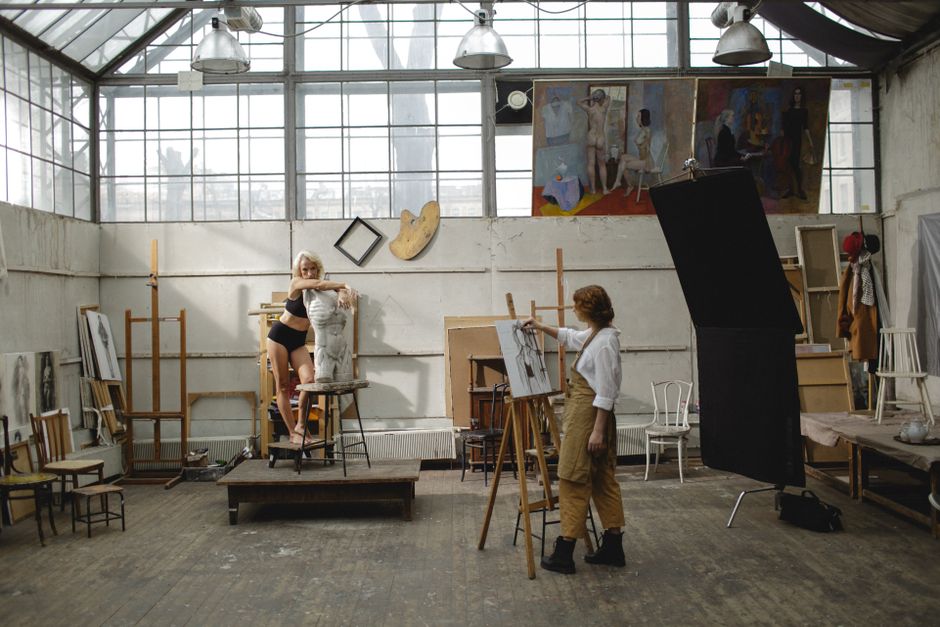
Lofts and industrial-style studios are characterized by high ceilings, large windows, and open layouts. These features can create a sense of spaciousness and flexibility, allowing for a variety of seating and work arrangements. Such venues often have a raw or unfinished aesthetic that may appeal to groups seeking a less formal atmosphere. However, the same characteristics that make lofts attractive can also present challenges, such as temperature fluctuations, acoustics, and accessibility.
Before committing to a loft, organizers should assess heating, cooling, and ventilation systems, as large open spaces can be difficult to climate-control. Noise levels may also be a concern, particularly in buildings with hard surfaces that reflect sound. If the workshop includes verbal instruction or group discussion, it may be necessary to test the acoustics or arrange for sound-absorbing materials. Accessibility is another important consideration: some lofts are located in buildings without elevators or with narrow stairways, which could be problematic for participants with mobility limitations.
Logistically, lofts may require renters to bring in tables, chairs, and lighting equipment. It is important to clarify what is included in the rental and what must be supplied by the organizer. Some lofts are used for residential purposes and may have restrictions on the types of activities allowed. A site visit or detailed conversation with the venue manager can help clarify these points and identify any potential constraints.
Outdoor Studios and Natural Settings
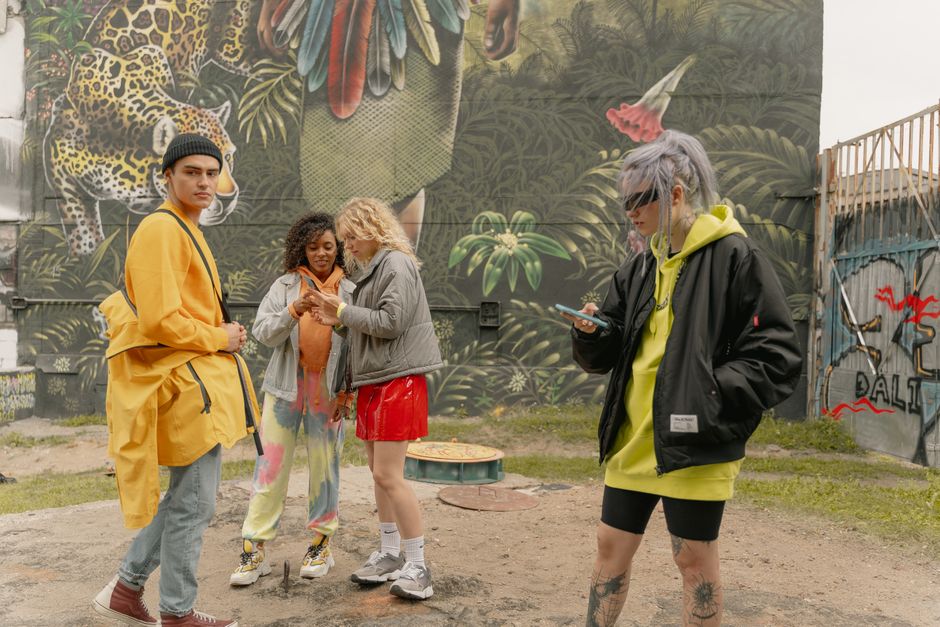
Outdoor studios and natural settings, such as gardens, parks, or covered patios, offer fresh air and changing scenery that can stimulate creativity. These environments are particularly suitable for activities like sketching, painting, or nature-inspired art. However, outdoor venues introduce variables that are less controllable than indoor spaces, including weather, insects, and uneven terrain.
A primary consideration for outdoor workshops is a contingency plan for inclement weather. Organizers should confirm whether a covered area or indoor backup is available. Sun exposure and wind can also affect materials and participant comfort, so shade, windbreaks, and appropriate clothing should be considered. Additionally, access to water, restrooms, and electricity may be limited, requiring advance planning for cleanup and equipment needs.
Permits and permissions are often required for using public outdoor spaces or private gardens. It is essential to verify local regulations and obtain any necessary approvals. The physical layout of the outdoor space should also be evaluated for seating, work surfaces, and accessibility. For groups that include bridal parties or other celebratory gatherings, the natural backdrop can enhance the event, but organizers should ensure that the setting aligns with the group’s expectations and logistical requirements.
Evaluating Venue Suitability for Group Art Workshops
When comparing unconventional venues, a systematic evaluation can help organizers match the space to the group’s needs. The following criteria provide a starting point for assessment:
- Capacity and layout: Does the space comfortably accommodate the expected number of participants with adequate room for workstations and movement?
- Lighting: Is there sufficient natural or artificial light for the planned activities, and can it be adjusted?
- Ventilation: Are there adequate air exchange and ventilation for the materials being used?
- Accessibility: Is the venue accessible to all participants, including those with mobility challenges?
- Logistics: What equipment is provided, and what must be brought in? Are there restrictions on materials, food, or beverages?
- Cost and availability: Does the venue fit within the budget and timeframe, and are there any hidden fees or requirements?
Using a checklist based on these criteria can facilitate comparisons and reduce the risk of overlooking important details. It is also advisable to visit the venue in person or request a virtual tour to assess the space accurately. For events involving bridal parties or other special groups, additional considerations such as privacy, ambiance, and photo opportunities may be relevant.
The choice of venue is one of many factors that contribute to the experience of a group art workshop. A well-matched space can support the activity, but it does not guarantee a particular outcome. Organizers should consider the venue as part of a broader plan that includes facilitation, materials, and participant needs.
In some cases, working with a company that specializes in art workshops, such as Palette & Pour, can provide access to venue recommendations and logistical support. Such organizations may have experience with a range of spaces and can offer guidance on suitability. However, the final decision should be based on the specific requirements and preferences of the group.
Logistical and Safety Considerations
Regardless of the venue type, certain logistical and safety factors apply to group art workshops. These include insurance, contracts, cancellation policies, and emergency procedures. Organizers should review the venue’s insurance requirements and confirm whether they need to provide their own coverage. Contracts should be examined for details on deposits, cancellation deadlines, and any restrictions on the use of the space.
Safety is another critical area. Art materials may carry risks, such as fumes, dust, or flammability, and the venue should be equipped to handle these appropriately. Emergency exits, fire extinguishers, and first-aid kits should be accessible, and participants should be briefed on safety protocols. For outdoor venues, additional considerations include terrain hazards, insect repellent, and sun protection.
Accessibility and inclusion are also part of logistics. Organizers should ensure that the venue can accommodate participants with disabilities and that any necessary accommodations are arranged in advance. Communication with the venue manager about specific needs can help identify potential issues and solutions.
Finally, it is advisable to have a contingency plan for unforeseen events, such as power outages or equipment failures. A clear plan can help mitigate disruptions and maintain a calm atmosphere. By addressing these logistical and safety aspects early in the planning process, organizers can focus on facilitating a positive experience for participants.