Budget-Friendly Art Party Planning Tips
Art-themed celebrations offer a creative and engaging way to bring people together, whether for a birthday, a team-building event, or a casual gathering. However, the costs associated with materials, instruction, and venue can add up quickly, leading many planners to look for practical ways to manage expenses without compromising the experience. This article outlines a process-oriented approach to budget-friendly art party planning, focusing on methodology and context rather than guaranteed outcomes. By understanding the factors that influence cost, planners can make informed decisions that align with their resources and goals.
The suggestions provided here are intended as general frameworks that can be adapted to different settings and group sizes. They emphasize transparency in planning and acknowledge that results depend on multiple external factors, such as location, participant numbers, and local market conditions. No single approach fits all situations, and professional judgment should guide final choices. The aim is to offer a structured way to think about cost reduction while maintaining a calm, informational tone throughout the planning process.
Rather than prescribing definitive solutions, this article explores concepts and methods that can be tailored to specific circumstances. It covers DIY material sourcing, shared instructor arrangements, and alternative venue options, among other considerations. Each section provides a deeper look at how these elements interact and what planners might evaluate when making decisions. The focus remains on practical advice that supports informed planning without creating unrealistic expectations.
Assessing Costs and Setting a Realistic Framework
Before diving into specific cost-saving tactics, it is helpful to establish a clear understanding of the typical expense categories for an art party. These generally include materials (such as paints, brushes, canvases, and protective coverings), instructor fees, venue rental, refreshments, and any additional supplies like easels or aprons. By breaking down the budget into these categories, planners can identify where flexibility exists and where costs are relatively fixed. This assessment also helps in prioritizing spending based on the event’s goals and the participants’ expectations.
A realistic framework involves estimating costs for each category and then exploring ways to reduce them without sacrificing the core experience. For example, materials might be sourced through bulk purchases or DIY alternatives, while instructor fees could be shared among multiple groups. Venue costs might be lowered by choosing non-traditional spaces or negotiating rates during off-peak times. It is important to note that these strategies are not one-size-fits-all; their effectiveness depends on factors such as the number of attendees, the complexity of the art projects, and local availability of resources.
Transparency in budgeting also means accounting for contingencies. Setting aside a small buffer for unexpected expenses can prevent last-minute stress. Additionally, planners might consider whether certain costs can be offset by volunteer contributions or partnerships with local businesses. However, any potential savings should be evaluated against the value they bring to the event. The goal is to make informed trade-offs rather than to cut costs indiscriminately. This approach supports a balanced plan that respects both budget constraints and the quality of the celebration.
DIY Materials and Creative Sourcing
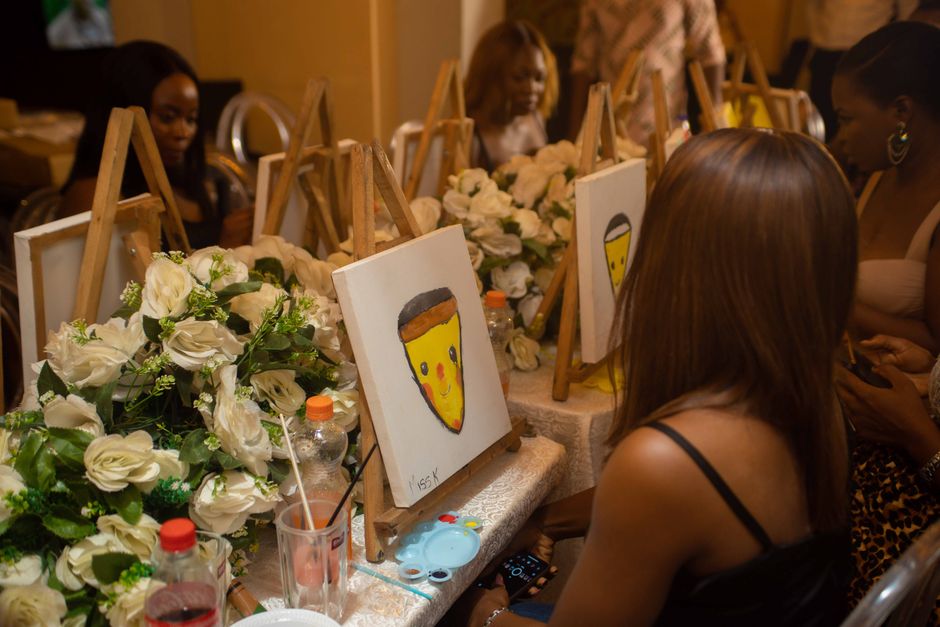
One of the most effective ways to reduce costs is to take a do-it-yourself approach to materials. This does not necessarily mean sacrificing quality; rather, it involves exploring alternatives that are both affordable and suitable for the planned activities. For instance, instead of purchasing pre-made canvases, planners might consider using heavy-duty paper, cardboard, or even recycled materials. Similarly, acrylic paints can be bought in larger quantities and decanted into smaller containers, which often lowers the per-unit cost. It is important to test materials beforehand to ensure they perform adequately for the intended art projects.
Sourcing materials creatively can also involve tapping into community resources. Local art supply stores may offer discounts for bulk purchases or donations for community events. Online marketplaces and swap groups can be good sources for gently used supplies. Additionally, planners might organize a supply drive among participants, asking them to bring unused art materials from home. This not only reduces expenses but also fosters a sense of shared ownership and participation. However, it is essential to communicate clearly about what is needed and to inspect donated items for usability.
When considering DIY materials, planners should weigh the time and effort involved against the potential savings. Some DIY projects, such as making homemade modeling clay or preparing natural dyes, can be time-consuming but may be cost-effective and add a unique touch to the event. Others, like printing custom templates, might require access to equipment that is not readily available. A practical approach is to prioritize DIY efforts where they offer the most significant cost reduction relative to the effort required. This balanced view helps maintain a realistic planning process.
Shared Instructor Fees and Collaborative Arrangements
Instructor fees can constitute a significant portion of an art party budget, especially for events with specialized instruction. One approach to managing this cost is to explore shared instructor arrangements, where multiple groups or parties split the fee for a single instructor. This can be particularly effective for larger events or when several smaller gatherings are organized in the same area. The instructor’s time is divided among the groups, and the cost is distributed accordingly. It is important to clarify the instructor’s availability, the scope of their responsibilities, and the scheduling details to ensure a smooth experience for all parties involved.
Collaborative arrangements might also involve partnering with local art organizations, schools, or community centers that have access to instructors. These entities may offer reduced rates for community events or be willing to provide instruction in exchange for publicity or other non-monetary contributions. Additionally, some instructors may offer tiered pricing based on the level of guidance required, allowing planners to choose a format that fits their budget. For example, a brief demonstration followed by self-guided work might be less expensive than a full step-by-step workshop.
When negotiating shared instructor fees, transparency and clear communication are key. Planners should discuss expectations regarding group size, session duration, and materials preparation. It is also advisable to have a written agreement outlining the terms, including payment schedules and cancellation policies. While these arrangements can lead to cost savings, they also require coordination and flexibility. The success of such collaborations often depends on the willingness of all parties to work together and adapt to changing circumstances.
Affordable Venue Alternatives and Location Considerations
The venue is another area where costs can vary widely. Traditional event spaces, such as banquet halls or art studios, often come with rental fees that may strain a budget. Fortunately, there are many alternative venues that can be both affordable and suitable for an art party. Community centers, libraries, churches, and schools sometimes rent out rooms at lower rates, especially for local residents or non-profit events. Parks and outdoor spaces may be available for free or for a modest permit fee, provided the weather and facilities are appropriate for the planned activities.
Another option is to host the party at a private residence, such as a home or apartment. This eliminates venue rental costs entirely, though it may require careful planning to accommodate the group size and protect the space from paint spills or other messes. Using drop cloths, disposable tablecloths, and designated work areas can help mitigate potential damage. It is also important to consider whether the space has adequate ventilation, lighting, and access to water for cleaning up. These practical factors can influence the overall success of the event.
When evaluating venue alternatives, planners should consider the total cost, including any hidden fees or requirements. Some venues may require event insurance, security deposits, or cleaning fees, which can add to the expense. It is advisable to ask for a detailed breakdown of costs and read the contract carefully before committing. Additionally, the location’s accessibility for participants, parking availability, and proximity to public transportation can affect attendance and overall convenience. A thorough assessment of these factors helps in selecting a venue that aligns with both budget and logistical needs.
Additional Cost-Management Strategies and Final Considerations
Beyond materials, instructors, and venues, there are several other strategies that can contribute to a budget-friendly art party. For example, simplifying refreshments by offering a limited selection of drinks and snacks can reduce costs without diminishing the experience. Potluck-style contributions from participants can also be an option, though this requires clear coordination to avoid duplication or dietary conflicts. Similarly, digital invitations and communication can save on printing and postage expenses, while also providing a convenient way to share updates and reminders.
Another consideration is the scale and scope of the art activities. Choosing projects that require fewer materials or can be completed in a shorter time may lower both supply and instructor costs. Group projects or collaborative art pieces can also reduce the amount of individual materials needed. However, it is important to ensure that the chosen activities are appropriate for the participants’ skill levels and interests. A well-designed art party balances creativity with practicality, and the activity selection should reflect that balance.
Finally, planners should remain flexible and open to adjustments as the event takes shape. Budget management is an ongoing process, and unexpected opportunities or constraints may arise. Maintaining a calm, informational approach and focusing on methodology can help navigate these challenges. While the strategies discussed here are intended to reduce costs, they do not guarantee specific outcomes; results depend on a variety of factors, including local conditions and participant engagement. By applying these concepts thoughtfully, planners can create a memorable art celebration that respects their budget and values.